Worthington Script Font for Elegant Digital Branding
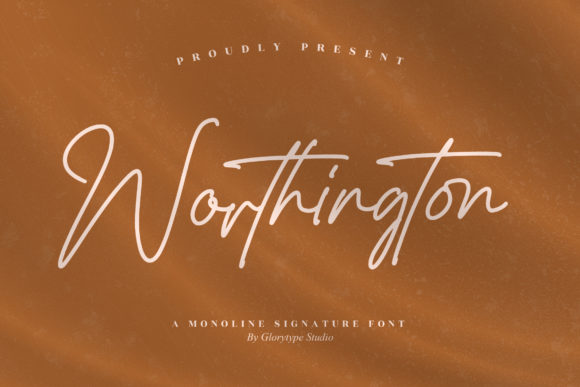
Worthington is a slim and dainty script font — a refined Script Handwritten typeface designed for digital clarity and quiet sophistication. As a web designer who builds landing pages, SaaS dashboards, boutique e-commerce sites, and brand-focused web experiences, I reach for Worthington when I need expressive elegance without sacrificing usability. Its delicate strokes, balanced spacing, and graceful flow make it ideal for high-intent moments: hero headlines, logo lockups, premium product labels, and branded watermark overlays on photography — all while maintaining visual hierarchy and emotional resonance across devices.
Worthington for Wedding Invitations and Elegant Branding
Worthington is a Script Handwritten font that excels in emotionally charged digital contexts — especially wedding websites, invitation suites, and luxury service branding. Its slim weight and subtle contrast lend a hand-crafted intimacy that feels personal, not generic. On a responsive wedding site, I use Worthington for the couple’s names in the hero section (at 48–64px on desktop, 36–44px on mobile), paired with a neutral sans serif like Inter or Manrope for body copy and navigation. This pairing preserves readability while letting Worthington carry tone. For digital RSVP cards or email headers, Worthington’s dainty character reinforces sincerity and care — critical for conversion in high-trust, low-frequency interactions.
Worthington for Logo Design and Brand Identity Systems
Worthington is a Fonts asset built for logo design where restraint and memorability matter. Unlike bold display scripts that overwhelm small screens or app icons, Worthington’s slim structure scales cleanly down to 24px without blurring or loss of distinction — essential for favicon integration, mobile app splash screens, and inline logo text in navigation bars. When building a cohesive brand identity system, I treat Worthington as a primary display font: applied to logotype, sub-branding elements (e.g., “Est. 2024” or tagline accents), and social media profile highlights. Its handwritten authenticity supports artisanal, wellness, creative coaching, and boutique fashion brands — but only when used intentionally: never for full paragraphs, always for short, high-impact phrases.
Worthington for Photography Watermarks and Visual Content Overlays
Worthington is a Script Handwritten font engineered for legibility over imagery — making it one of the most practical Fonts for photographers, content creators, and portfolio site builders. Its open counters and consistent stroke width prevent visual noise when overlaid on busy backgrounds. I apply Worthington at 14–18px with 70–85% opacity and subtle drop shadows (1px blur, 2px offset) on light or dark photography — ensuring the watermark reads clearly without competing with subject detail. It performs reliably in CSS @font-face declarations and WebKit-compatible formats, rendering crisply on Retina displays and CMS-generated galleries alike.
Worthington for Online Store Labels and Product Packaging Typography
Worthington is a Fonts choice that elevates perceived value in digital storefronts — particularly for handmade goods, skincare, stationery, and artisan food brands. Used on product cards, “new arrival” badges, or limited-edition label graphics, its dainty script conveys craftsmanship and attention to detail. In Shopify or WooCommerce themes, I embed Worthington as a custom display font for secondary headings (e.g., “Hand-Poured Soy Wax” or “Small-Batch Ceramic”) — never for price tags or size selectors, where functional clarity is non-negotiable. Pair it with a clean, highly legible sans serif (like Poppins or Open Sans) for all functional UI text. This contrast strengthens hierarchy and guides the eye toward conversion points without visual fatigue.
Worthington for Special Events and Digital Announcements
Worthington is a Script Handwritten font that adds warmth and intentionality to time-sensitive digital announcements: product launches, workshop sign-ups, gallery openings, and virtual summit reveals. Its slim rhythm works exceptionally well in animated headline treatments (CSS fade-in + slight scale-up) and responsive banner layouts. On mobile-first announcement pages, I limit Worthington to the main event title (max 4 words) and pair it with a lightweight serif or geometric sans for date/time/location details. This ensures scannability and reduces bounce — especially important when users arrive via social links or email CTAs. Because Worthington is optimized for screen rendering, it loads quickly and avoids FOIT/FOUT issues common with heavier script fonts.
Worthington Font Pairing Strategies for Web Design
Worthington is a Fonts asset that thrives in contrast. As a standalone Script Handwritten typeface, it should never carry paragraph text, form fields, or navigation menus. Instead, pair it deliberately: use it for top-level headings and decorative accents, then anchor your layout with a highly legible, accessible companion. For modern digital products, I recommend Inter, Manrope, or IBM Plex Sans — all with excellent variable font support and WCAG-compliant contrast ratios. For editorial or luxury brand sites, try a refined serif like Crimson Pro or Playfair Display. Always test line height (1.4–1.6 for body), letter spacing (0.5–1px for Worthington headings), and color contrast — especially on dark mode or image-heavy sections.
Licensing Worthington for Commercial Websites and Client Projects
Worthington is a Fonts resource licensed for commercial use — including client websites, SaaS platforms, online stores, digital templates, and brand asset kits. Before deploying Worthington in production, verify your license covers web embedding (WOFF2/WOFF), app usage, and resale rights if you’re a designer selling branded Figma kits or WordPress themes. Most reputable vendors include cross-browser compatible webfont files, basic OpenType features (ligatures, stylistic alternates), and clear EULA terms. Never self-host or redistribute without permission — doing so risks legal exposure and inconsistent rendering across browsers and OS versions.